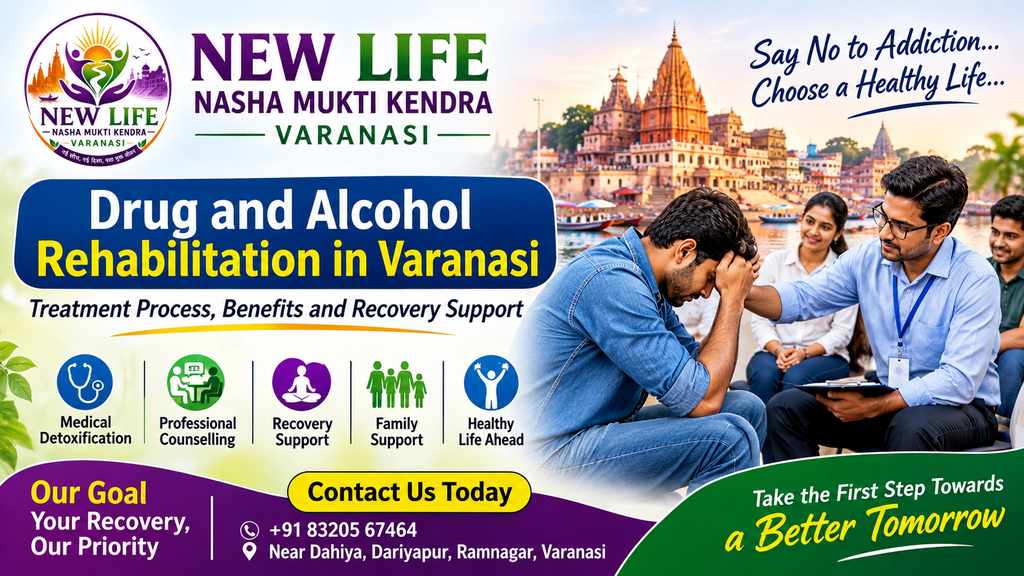
Drug and alcohol addiction can affect almost every part of a person’s life. It can create health problems, damage family relationships, affect work and reduce confidence. Many people want to overcome addiction but do not know where to start or what kind of treatment they need.
For individuals and families looking for Drug and Alcohol Rehabilitation in Varanasi, understanding the treatment process is an important first step. Professional rehabilitation can provide structured care, counselling and recovery support based on an individual’s needs.
A suitable rehabilitation programme may include medical assessment, supervised detoxification, behavioural therapy, family counselling and aftercare. Each stage plays a different role in helping a person work towards recovery.
In this guide, we will explain how drug and alcohol rehabilitation works, its benefits, the treatment process and what families should consider before choosing a rehabilitation centre in Varanasi.
What Is Drug and Alcohol Rehabilitation?
Drug and alcohol rehabilitation is a structured treatment process that helps individuals address substance dependence and develop healthier habits. It focuses on physical health, emotional well-being and behaviour related to addiction.
Addiction is not simply a bad habit or a lack of self-control. It is a health condition that can affect how the brain works, how a person makes decisions and how they respond to stress.
A professional rehabilitation programme may include:
- Medical assessment and health evaluation.
- Detoxification under appropriate medical supervision.
- Individual and group counselling.
- Behavioural therapy.
- Family counselling and emotional support.
- Relapse prevention planning.
- Follow-up and aftercare support.
The treatment approach depends on the substance used, the duration of addiction, the person’s health and their recovery needs.
Understanding Drug Addiction and Alcohol Dependency
Drug addiction and alcohol dependency can develop gradually. A person may initially use a substance occasionally, but repeated use can lead to cravings, loss of control and difficulty stopping.
Some common signs include:
- Strong cravings for alcohol or drugs.
- Increased substance use over time.
- Difficulty controlling consumption.
- Neglecting work, education or family responsibilities.
- Changes in sleep, mood and behaviour.
- Continuing substance use despite health or personal problems.
Recognising these signs early can help families seek professional guidance before the situation becomes more serious.
Common Signs That Someone May Need Addiction Treatment
Addiction does not look the same in everyone. Some individuals hide their substance use, while others show noticeable changes in their daily routine.
Understanding these warning signs can help family members identify when professional support may be needed.
Physical Signs of Addiction
Physical changes may include:
- Changes in appetite and body weight.
- Poor sleep or unusual sleeping patterns.
- Frequent tiredness and low energy.
- Shaking or sweating when alcohol use is reduced.
- Declining personal hygiene.
- Unexplained health problems.
Some withdrawal symptoms can become medically serious. Families should seek professional medical advice instead of trying to manage severe withdrawal at home.
Emotional and Behavioural Changes
A person struggling with addiction may experience mood swings, anxiety, irritability, social isolation or difficulty managing responsibilities.
They may also avoid family conversations, lose interest in activities they previously enjoyed or become defensive when someone discusses their substance use.
Families should approach the situation with patience. Blaming or humiliating someone can make it harder for them to ask for help.
Drug and Alcohol Rehabilitation Treatment Process in Varanasi
The treatment process usually involves several stages. A good treatment plan should match the person’s health condition, substance use history and recovery goals.
Here are the main stages involved in professional addiction rehabilitation.
Step 1: Initial Assessment and Health Evaluation
The first stage is an assessment. Healthcare professionals need to understand the person’s substance use history, current health and treatment requirements.
The assessment may include:
- Type of drug or alcohol used.
- Duration and frequency of substance use.
- Previous attempts to stop using substances.
- Physical health and mental health history.
- Current medicines and other health conditions.
- Possible withdrawal risks.
This information helps the treatment team decide what kind of care may be appropriate.
Step 2: Medically Supervised Detoxification
Detoxification is the process of managing the physical effects of stopping or reducing substance use. Some people experience withdrawal symptoms when they stop using drugs or alcohol.
These symptoms may include sweating, nausea, anxiety, sleep problems, shaking and changes in mood. Severe alcohol withdrawal can also cause seizures or delirium.
That is why detoxification should follow an appropriate medical assessment and supervision. People who have been drinking heavily for a long time should not suddenly stop without medical advice.
The World Health Organization provides guidance on management of alcohol withdrawal.
Detoxification is only one part of treatment. It does not address every psychological, behavioural or social factor connected with addiction.
Step 3: Counselling and Behavioural Therapy
After withdrawal management, counselling can help individuals understand the reasons behind their substance use and develop healthier ways to respond to difficult situations.
Common counselling approaches include:
Individual counselling: One-to-one sessions help individuals discuss personal concerns, emotional difficulties, triggers and recovery goals.
Group counselling: Group sessions allow people to share experiences, learn from others and develop a sense of support.
Family counselling: Family sessions help relatives understand addiction, improve communication and create a more supportive home environment.
Behavioural therapies, including Cognitive Behavioural Therapy (CBT), may also help individuals recognise harmful thought patterns and develop healthier responses.
For more information, read about international standards for the treatment of drug use disorders, developed by the World Health Organization and the United Nations Office on Drugs and Crime.
Step 4: Rehabilitation and Lifestyle Development
Recovery also involves making changes to everyday habits and routines.
During rehabilitation, individuals may work on:
- Developing a regular daily routine.
- Improving sleep and eating habits.
- Managing stress and emotional triggers.
- Building communication skills.
- Developing healthy hobbies.
- Reconnecting with family and social responsibilities.
These activities can help individuals create a more stable lifestyle and prepare for life after rehabilitation.
Step 5: Aftercare and Relapse Prevention
Completing a rehabilitation programme does not mean that recovery work is over. Returning to everyday life can bring new challenges, including stress, social pressure and exposure to situations linked with previous substance use.
Aftercare helps individuals continue working towards recovery after completing a treatment programme.
It may include follow-up counselling, family support, recovery planning and guidance on managing triggers.
A relapse does not mean that recovery is impossible. It is a reason to review the treatment plan and seek additional professional support.
Benefits of Choosing a Professional Drug and Alcohol Rehabilitation Centre
Choosing an appropriate Drug Rehabilitation Centre in Varanasi can help individuals access structured care and understand their recovery options.
Here are some important benefits of professional rehabilitation.
1. Structured Addiction Treatment
A planned treatment programme gives individuals a clear path to follow. It can include assessment, withdrawal management, counselling and recovery planning.
2. Professional Guidance
Addiction can involve physical and psychological challenges. Qualified healthcare professionals can assess these needs and recommend suitable treatment.
3. Emotional and Mental Health Support
Counselling provides a safe space to discuss stress, emotional difficulties, family concerns and personal challenges.
4. Family Involvement
Addiction affects family members too. Family counselling can improve communication and help relatives understand how to support recovery.
5. Long-Term Recovery Planning
Relapse prevention and aftercare help individuals prepare for everyday challenges and maintain healthy routines after treatment.
How to Choose the Right Nasha Mukti Kendra in Varanasi
Choosing a rehabilitation centre is an important decision. Families should take time to understand the available services instead of making a decision based only on advertisements or promises.
Consider these factors before choosing a Nasha Mukti Kendra in Varanasi.
Check Medical Supervision and Staff Qualifications
Ask who is responsible for medical assessment, withdrawal management and emergency care. Verify the qualifications of doctors and healthcare professionals involved in treatment.
Understand the Available Treatment Programmes
Ask whether the centre provides suitable treatment options for the specific substance involved. Drug addiction and alcohol addiction may require different medical and psychological approaches.
Check Counselling and Aftercare Support
Ask about individual counselling, family involvement, behavioural therapy and follow-up support after completing the programme.
Review Safety, Privacy and Facilities
Understand the centre’s admission process, patient privacy policies, living arrangements, hygiene and emergency procedures.
Understand Treatment Costs and Admission Policies
Request a clear explanation of treatment charges, programme duration, included services and any additional costs. Families should receive clear information before admission.
These checks can help families make an informed decision when comparing an Alcohol Rehabilitation Centre in Varanasi or a drug de-addiction facility.
How New Life Nasha Mukti Kendra Varanasi Supports Addiction Recovery
New Life Nasha Mukti Kendra Varanasi focuses on supporting individuals who are dealing with drug and alcohol addiction. The centre provides addiction rehabilitation and recovery-related services, including alcohol addiction treatment, drug addiction treatment, counselling and aftercare support.
Its website describes a treatment approach that includes initial assessment, personalised treatment planning, detoxification, therapy and follow-up support.
Every individual has different recovery needs. Understanding the person’s condition and discussing suitable treatment options with the responsible healthcare professionals are important steps before starting a programme.
You can explore the centre’s addiction treatment services to learn more about the listed programmes.
Families looking for a De Addiction Centre in Varanasi can also contact the centre to ask about its available services, admission process and treatment arrangements.
How Families Can Support Someone During Addiction Recovery
Family support can make a meaningful difference during recovery. A person dealing with addiction may feel guilty, anxious or worried about how others will react.
Relatives can help by creating a supportive environment.
Here are a few practical ways to provide support:
- Talk calmly and avoid blaming language.
- Encourage professional medical and counselling support.
- Learn about addiction and its effects.
- Support healthy daily routines.
- Attend family counselling when recommended.
- Avoid situations that encourage substance use.
- Stay connected during aftercare and follow-up.
Families should also take care of their own emotional well-being. Supporting someone through addiction recovery can be challenging, and relatives may need guidance too.
Key Takeaways
- Drug and alcohol addiction can affect physical health, emotional well-being and family relationships.
- Professional rehabilitation can provide structured treatment and recovery support.
- Detoxification should be based on medical assessment and appropriate supervision.
- Counselling and behavioural therapy can help individuals understand addiction-related patterns.
- Family involvement can support a healthier recovery environment.
- Aftercare and relapse prevention are important parts of long-term recovery.
- Families should check medical supervision, staff qualifications and treatment facilities before choosing a rehabilitation centre.
Frequently Asked Questions About Drug and Alcohol Rehabilitation in Varanasi
1. How long does drug and alcohol rehabilitation take?
The treatment duration depends on the person’s health, substance use history, withdrawal risks and recovery needs. Some people need a shorter treatment programme, while others require longer rehabilitation and continued aftercare.
2. Is detoxification necessary for every person with addiction?
No. Detoxification depends on the substance used and the individual’s medical condition. A qualified healthcare professional should assess whether withdrawal management is required and what level of supervision is appropriate.
3. Can a person recover from alcohol addiction?
Yes. Many people make meaningful progress with appropriate treatment and ongoing support. Recovery may involve medical care, counselling, behavioural therapy and long-term lifestyle changes.
4. What is the difference between detoxification and rehabilitation?
Detoxification focuses on managing the physical effects of stopping substance use. Rehabilitation addresses wider recovery needs through counselling, behavioural support, lifestyle development and relapse prevention.
5. Can family members participate in addiction counselling?
Yes. Family counselling can help relatives understand addiction, improve communication and learn how to support someone during recovery.
6. How can I choose a reliable Nasha Mukti Kendra in Varanasi?
Check the qualifications of healthcare professionals, medical supervision, available treatment services, safety arrangements, privacy policies and aftercare support. Ask for clear information about admission and treatment costs.
7. Does addiction treatment include relapse prevention?
Many rehabilitation programmes include relapse prevention planning. It helps individuals recognise personal triggers, manage difficult situations and seek support when needed.
Take the First Step Towards Addiction Recovery
Overcoming addiction can take time, patience and the right support. Individuals and families do not have to understand the entire treatment process before asking for help.
If you are looking for Drug and Alcohol Rehabilitation in Varanasi, New Life Nasha Mukti Kendra can be contacted to discuss its available services and admission process.
A conversation with the right healthcare professional can help you understand the next steps and identify suitable treatment options.
Contact New Life Nasha Mukti Kendra Varanasi
- Phone: +91 83205 67464
- Address: Near Dahiya, Dariyapur, Ramnagar, Uttar Pradesh 221008
- Website: https://newlifenashamuktikendra.co.in/
- Contact page: https://newlifenashamuktikendra.co.in/contact/
Taking the first step towards recovery is important. With appropriate professional care, patience and continued support, individuals can work towards a healthier and more stable future.